What Shutter Speed Stops Blur? It Depends on Which Blur You Have
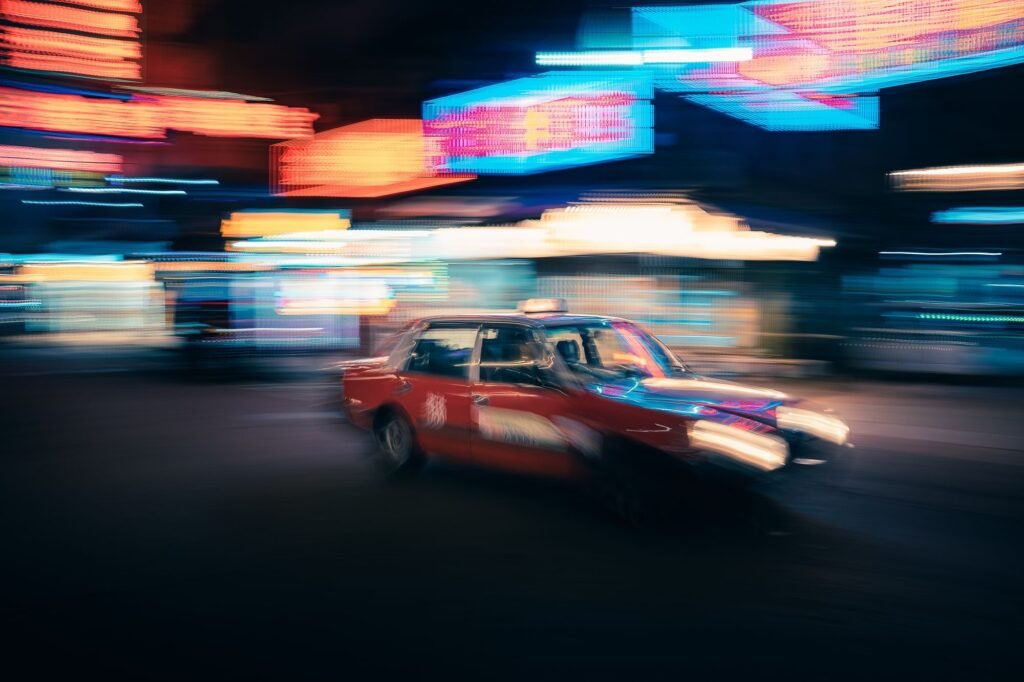
A blurry photo has two common causes, and they need different fixes. Sometimes the camera moved, because hands are never perfectly still. Sometimes the subject moved while the shutter was open. A faster shutter speed helps with both, but the number to aim for is not the same.
One clue to tell them apart: if only the moving subject is smeared and the background is sharp, the camera held still and the subject did not. If the whole frame looks soft, the camera moved.
Blur from shaky hands: the 1/focal length guideline
The usual starting point is the reciprocal rule: handheld, set a shutter speed of at least one over the lens’s focal length. A 50mm lens calls for 1/50 second or faster, a 200mm lens for 1/200. Longer lenses magnify the scene, so they magnify shake too.
Smaller sensors add a step. On a Micro Four Thirds camera, the crop factor is 2x, so the focal length used in the rule is doubled. With a 40-150mm zoom like the Olympus M.Zuiko 40-150mm, the working numbers look like this:
- At 40mm, the effective focal length is 80mm, so aim for about 1/80 second or faster
- At 150mm, the effective focal length is 300mm, so aim for about 1/300 second or faster
It is a guideline, not a law. Wind, an unbalanced stance or holding the camera away from the face all call for something faster. Image stabilization allows something slower: each stop of stabilization halves the speed needed. And a tripod removes hand shake altogether, which is why the guideline only applies to handheld shots.
Blur from a moving subject: a different set of numbers
Subject blur works differently. A tripod will not fix it, because the subject itself is what moves. One sports photography guide says the 1/focal length guideline does not work here, and gives starting points instead:
- Walking: at least 1/250 second
- Running: 1/500 second or faster
Faster subjects need more. A separate beginner’s guide suggests at least 1/1000 second to freeze an entire fast scene, such as a bird flying past a waterfall. It adds that its numbers are only a rough guideline, and that the right speed depends on how fast the subject moves and how far away it is.
When there is not enough light
Both fixes lead to the same problem. A faster shutter lets in less light, and a dim room or evening street may not have any to spare. The sports guide describes the trade plainly: accept the noise of a high ISO to stop the action, or accept some motion blur for a cleaner image.
There are three levers when light runs short:
- Raise the ISO, which brightens the picture at the cost of more noise
- Open the aperture wider, which lets in more light
- Time the shot for a pause, such as the moment before a throw, when the subject is briefly still
Next time a photo comes out soft, work out which blur it is first. That one question decides whether the fix is a shutter speed based on the lens, or one based on the subject.
Written by

The official Rentl crew. Gear guides, rental tips, and news from the shop — written by the team behind the site.