Your Phone Wasn’t Built to Last. That Was the Plan All Along
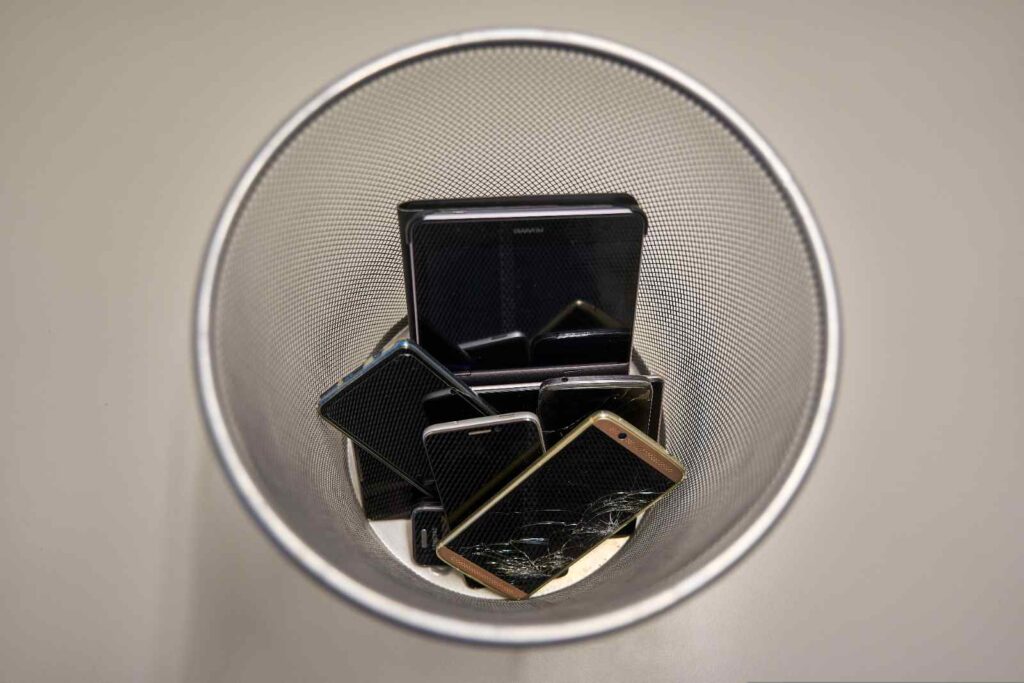
Your phone’s battery starts sagging right around the time a new model launches. The blender dies eleven months into a one-year warranty. The printer decides it’s done exactly when the extended warranty runs out. It feels like a coincidence every time — and it almost never is.
This has a name: planned obsolescence, the deliberate design of products to fail, wear out, or feel outdated on a schedule that benefits the manufacturer, not the owner. It isn’t a conspiracy theory. It’s a documented, sometimes literally cartelized, business strategy — and it has a paper trail going back a century.
The Cartel That Started It
In 1924, executives from the world’s biggest light bulb makers — Germany’s Osram, the Netherlands’ Philips, France’s Compagnie des Lampes, and America’s General Electric — met in Geneva and formed the Phoebus cartel. At the time, a household bulb could reasonably last 2,500 hours. The cartel agreed to cap that at 1,000.
Engineers were told to redesign bulbs to burn out faster, and any manufacturer whose bulbs lasted too long was fined by the cartel’s own testing lab. It worked exactly as intended: average bulb lifespan dropped for years, sales rose, and the practice became the first documented case of an entire industry agreeing, on paper, to make its own products worse on purpose.
The Modern Version Doesn’t Need a Cartel
A century later, the same idea doesn’t require a room full of executives shaking hands — a single software update can do it. In 2017, Apple admitted it had been quietly throttling the performance of older iPhones with aging batteries, without telling owners why their phones suddenly felt slower.
The company framed it as protecting battery health, but the outcome looked identical to planned obsolescence from the outside: a device that quietly gets worse until replacing it feels like the only fix. Apple ended up paying $113 million to settle a multistate investigation and up to $500 million in a related class-action settlement — without admitting wrongdoing, but also without disputing that the slowdown happened.
Governments Are Starting to Push Back
Regulators have noticed the pattern too. France went furthest first: a 2015 law made planned obsolescence a criminal offense, punishable by up to two years in prison and a fine that can scale to 5% of a company’s average annual turnover. Since 2021, French law has also required manufacturers to publish a repairability index — a 0-to-10 score printed right next to the price tag.
The European Union followed with its own Right to Repair Directive, adopted in 2024 and taking full effect across member states from July 2026. It requires manufacturers to:
- Make spare parts and repair information available for years after a product is sold
- Design newly released products with repairability as a real requirement, not an afterthought
- Give consumers incentives to repair rather than replace, under updated consumer-protection rules
None of this makes planned obsolescence illegal everywhere overnight. But it’s the clearest sign yet that “the thing broke right on schedule” has stopped being dismissed as a coincidence, even by lawmakers.
What Buying Smarter Actually Looks Like
Regulation moves slowly, and it won’t cover most of what any one person owns any time soon. The more immediate fix is a habit shift, not a law:
- Check for a repairability score before buying, where one exists, the same way a nutrition label gets checked before a grocery purchase
- Repair before replacing — a cracked screen or a dead battery is often a fraction of the cost of a new device
- Favor brands with a track record of long software support and available spare parts, not just the lowest sticker price
- Borrow or rent for anything used rarely, so the incentive to hoard barely-used gear against “just in case” disappears entirely
None of these habits require waiting for a law to catch up. They just require treating “built to last” as a real purchasing criterion again — instead of accepting, the way the Phoebus cartel’s business plan counted on, that things are just supposed to break.
Written by

The official Rentl crew. Gear guides, rental tips, and news from the shop — written by the team behind the site.