What “Built to Last” Actually Means, and How to Check It
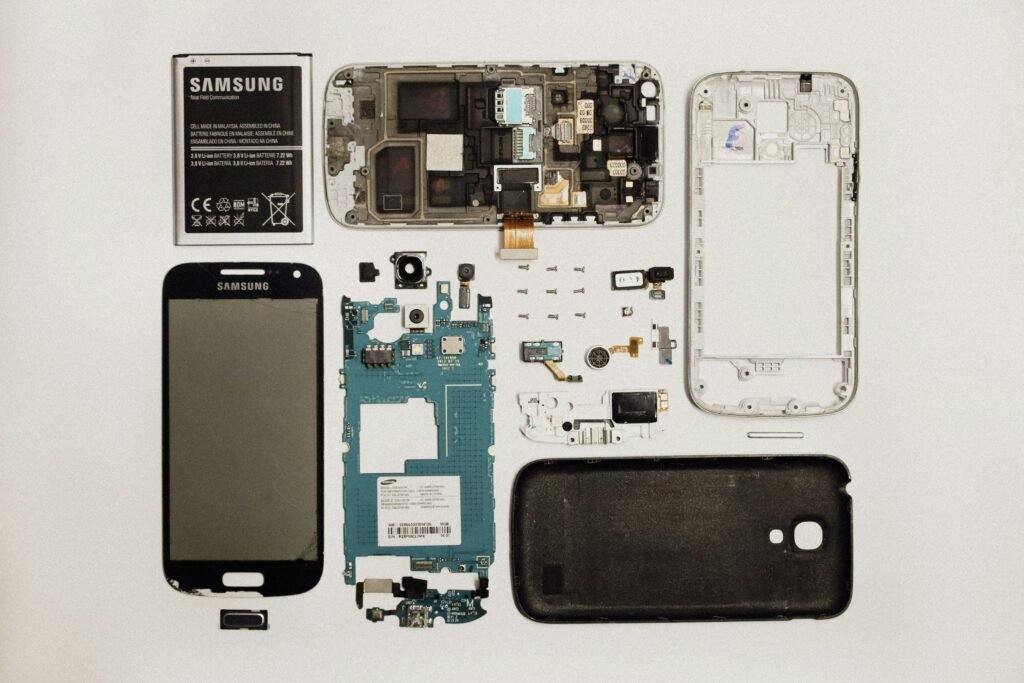
“Built to last” is easy to print on a box. It is much harder to turn into something a buyer can check, because the phrase comes with no number attached. Last how long, and who is promising it?
The practical answer is to look for promises that do come with numbers. The European Union has now written some of them into law for phones and tablets, which makes its rules a handy checklist even for readers who do not live there. The opposite problem, products designed to wear out on schedule, is covered in an earlier Digest post on planned obsolescence.
What the EU now requires of phones and tablets
Since June 20, 2025, smartphones and tablets sold in the EU have to meet ecodesign rules, according to the European Commission. In effect, they turn “built to last” into specific minimums:
- Operating system upgrades available for at least 5 years after the last unit of a model is sold.
- Critical spare parts available within 5 to 10 working days, for 7 years after sales of the model end.
- A battery that keeps at least 80% of its capacity after 800 charge and discharge cycles.
- Resistance to accidental drops and scratches, and protection from dust and water.
- Rules on taking the device apart and repairing it.
The EU also requires an energy label on these products that shows several of the same points as grades. It includes a drop-reliability class from A to E, a repairability class from A to E, the battery’s endurance in cycles and its dust and water protection rating.
These rules apply only to phones and tablets sold in the EU. The list still shows what durability is made of: time, parts, a battery that holds up, resistance to everyday knocks, and a way to repair what fails.
Why repair sits on the list
Batteries wear down with use, and the 800-cycle rule puts a floor under how fast. The next question is what happens when one finally gives out. A device whose parts can be bought and whose manual shows how to open it can keep going after its first failure, and one that cannot may be finished.
Repair is also the one part of durability that outsiders have learned to measure. iFixit scores devices out of 10. Most of the score, 80%, comes from how easily the device can be taken apart. Another 10% comes from whether replacement parts are available, and the last 10% from whether the maker publishes a free repair manual. Without a public manual, 9 out of 10 is the best a device can score.
iFixit calls 5 out of 10 or above respectable and describes 1 out of 10 as very difficult to repair. So “can it be fixed?” has a number behind it too.
Questions that work with or without a law
A rule like the EU’s does not cover every product or every country, so the checking often falls to the reader. The EU list turns into questions that carry over to almost anything with a battery or software:
- Does the maker say, in years, how long it will supply updates and spare parts?
- Is there a public repair guide, and can the device be opened without special tools or a lot of glue?
- Can the battery be replaced, and is the replacement actually sold?
- What does the warranty promise, and for how long?
- Has an independent group tested how repairable it is?
None of this is about spending more. A cheap thing can be easy to fix and an expensive one can be sealed shut, so the same questions apply either way. A maker that answers with numbers has made a promise that can be held to account. One that answers with a slogan has still said something worth noticing.
The clearest sign that something was built to last is that its maker was willing to put the promise in writing.
Written by

The official Rentl crew. Gear guides, rental tips, and news from the shop — written by the team behind the site.