Two Is One, One Is None: The Camera Habit Worth Stealing From Navy SEALs
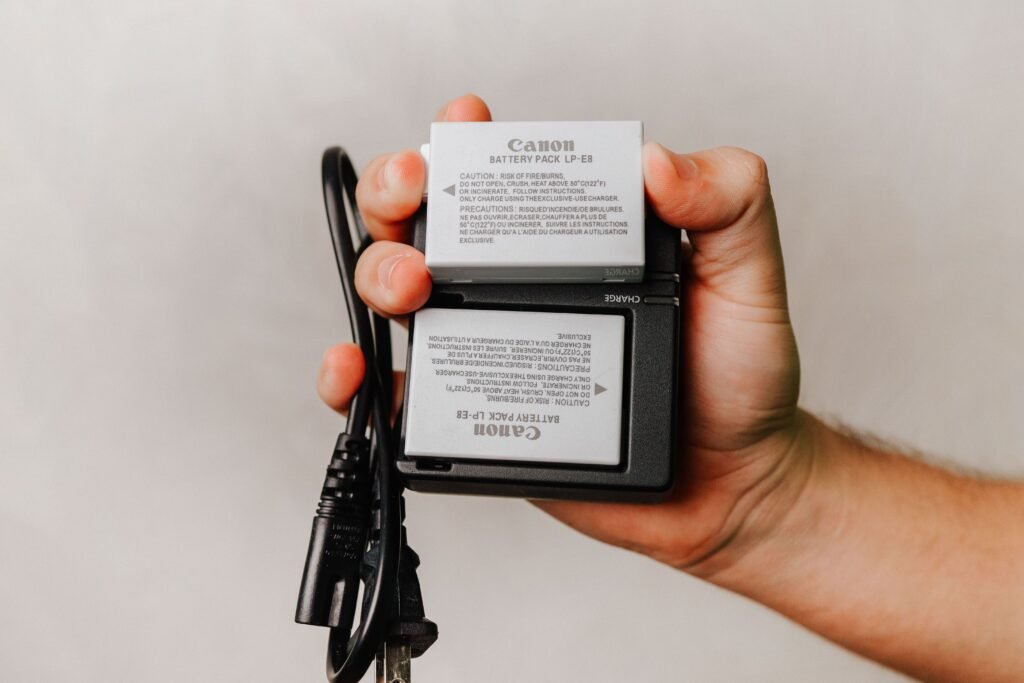
A camera battery always seems to die at the worst possible moment: mid-ceremony, mid-goal, mid-sunset. Photographers have a two-word answer to that problem, and it didn’t come from a camera store.
Two is one, one is none.
The line is usually credited to Navy SEALs, though the exact branch is disputed. It’s been passed around military circles for at least fifty years. The idea is blunt: if you only have one of something, assume it will fail, break, or run out exactly when you need it most. Functionally, one is the same as having none at all.
What Actually Counts as a Backup
A single spare battery sitting somewhere in your bag doesn’t automatically solve anything. If you don’t know its charge, or you’re digging for it in the dark while a shoot is already stalled, it isn’t really a backup. It’s a rumor of one.
The version that actually works looks like this: one battery in the camera, one already fully charged and staged where you can reach it without looking. The instant the first one dies, you swap in the charged one. No searching, no guessing. Then the depleted battery goes straight onto the charger, so by the time the second one runs low, the first is ready again. There’s never a moment where you’re down to a battery of unknown condition.
- Cold spare: exists somewhere in the bag, but you don’t find out if it’s charged until it’s already too late.
- Hot spare: charged, staged, and ready to swap in seconds. The difference isn’t ownership, it’s readiness.
- Rotation: the moment you swap, the spent one goes straight on the charger, so there’s never a gap where you’re relying on an unknown.
Redundancy Has a Name
Engineers have a less catchy but more precise term for the same idea: N+1 redundancy. “N” is whatever a system actually needs to run (one battery, in a camera’s case). The “+1” is one independent unit beyond that, held in reserve. Data centers and hospitals are built the exact same way: enough capacity to run normally, plus exactly one spare, so a single failure never causes a shutdown.
The “hot spare” in the list above borrows its name from hot swapping: replacing a component without powering anything down first. A cold spare needs setup time before it’s useful; a hot spare is already primed to take over the second it’s needed. That’s the entire gap between “I have a spare somewhere” and “I never actually lost time.”
It matters doubly for batteries specifically, since their real capacity keeps shrinking long after the percentage readout still says 100. It’s the same slow degradation we’ve written about before in the context of phones. A battery that reads full but has quietly lost a third of its real capacity is exactly the kind of unknown a proper rotation is designed to remove from the equation.
Manufacturers Build the Same Idea In
Camera makers apply the identical logic to storage, not just power. A memory card can corrupt or fail mid-shoot, and unlike a dead battery, a dead card can mean the images are actually gone. There’s no swapping your way out of that one after the fact.
The Olympus OM-D E-M1 Mark III builds its own N+1 in as a dual SD card slot setup. Auto Switch mode spills recording over to the second card the instant the first fills up. Backup mode writes identical files to both cards at once, so a single card failure never means a single point of failure for the shoot. You can even split RAW to one slot and JPEG to the other. None of it is paranoia. It’s the same “assume the first one fails” design requirement as the battery rotation, just built into the hardware instead of the habit.
Written by

The official Rentl crew. Gear guides, rental tips, and news from the shop — written by the team behind the site.