Why Renting Might Be the Cure for a “Buy It, Regret It” Economy
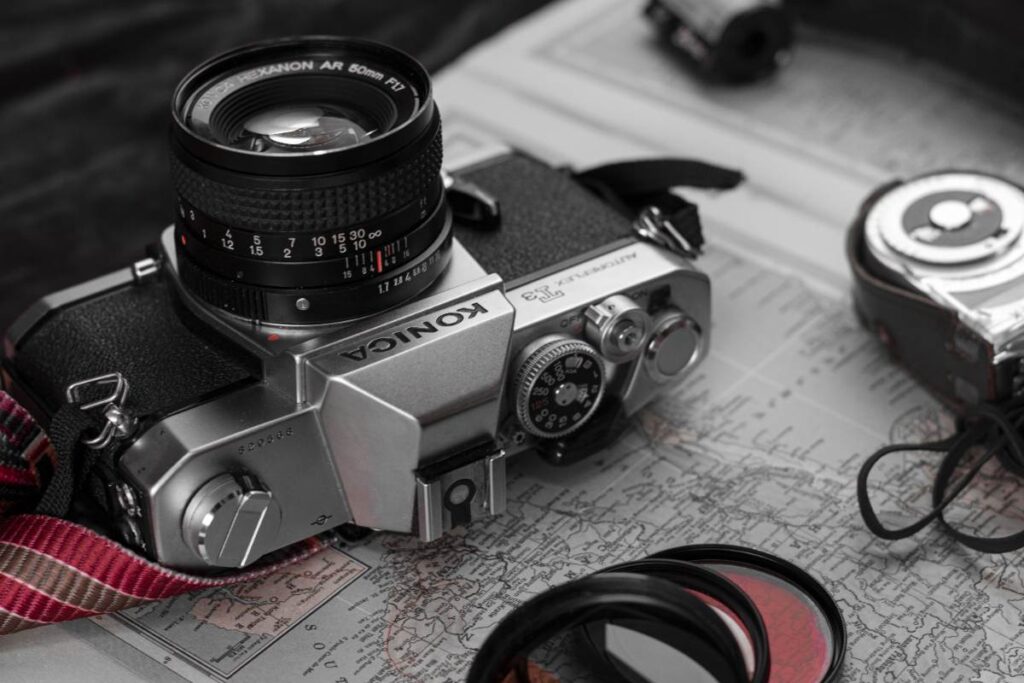
There’s a term that’s picked up real traction for something most people have felt without a name for it: enshittification: products and platforms getting worse on purpose, once a company has locked users in enough that leaving costs more than staying. Subscriptions that quietly raise prices. Gear built to fail right after the warranty ends. Things bought once, used twice, and eventually thrown away.
Why It Happens
The pattern is consistent: a platform or product gets good enough to build a loyal base, then slowly extracts more value from that base once leaving feels like too much friction: a canceled subscription that loses saved data, a proprietary charger that locks a phone to one ecosystem, a feature quietly moved behind a paywall after people are already invested. None of it is accidental. Once switching costs more than staying, quality stops being the thing keeping people around.
Durability as a Structural Fix
The most direct counterweight is a product that has to survive repeated, heavy use to remain viable at all, not a one-time sale optimized to just clear the return window. Gear built for rental houses, tools designed for job-site abuse, anything that has to get reused rather than replaced, ends up held to a genuinely higher bar than most consumer goods ever face. Durability stops being a marketing claim and becomes a requirement the product either meets or gets pulled from circulation.
Try Before You Buy, as an Actual Habit
Gear Acquisition Syndrome (the pull to buy new equipment before really knowing if it’ll get used) is a real, well-documented pattern among hobbyists and professionals alike. Renting something for a day or two before buying is a straightforward way to test whether the craving is real, and it’s a lot cheaper than a purchase that ends up unused. The same logic holds well beyond gear: try the thing, then decide, instead of deciding and hoping.
Buying Less, Buying Better
None of this is an argument against ownership; some things are worth owning outright. But there’s a real difference between a purchase made from genuine, tested need and one made on impulse, and that difference matters for more than a bank account. Fewer disposable purchases means less manufactured, less shipped, and less eventually landfilled. The economic case and the environmental case point the same direction here, which doesn’t happen as often as it should.
A rental model built around shared, durable equipment is one direct answer to all of this: not a workaround, but the actual alternative business model enshittification depends on nobody having.
Further watching: “I Bought And Restored ‘Old’ Technology To Prove The Economy Is Imploding” by Quincy Sandbank.
Written by

The official Rentl crew. Gear guides, rental tips, and news from the shop — written by the team behind the site.